

Dasha and Transit Reading in Fort Worth
Your current Vimshottari period, Sade Sati and the big Saturn, Jupiter and Rahu transits, read as seasons to plan around rather than threats to fear.
A dasha reading in Fort Worth explains which planetary period of the Vimshottari system you are in now, when it changes, and how major transits such as Sade Sati overlay it. Astrologer and Psychic Vijayram offers this timing reading by phone, WhatsApp or video in Central Time, as reflective guidance, not a forecast of fixed events.
Key takeaways
- Where you start in that cycle depends on the nakshatra the Moon occupied at your birth.
- Alongside the dasha runs gochara, the transit of planets through the signs as they move today.
- Sade Sati is the roughly seven and a half years when Saturn moves through the sign before your Moon sign, the Moon sign itself, and the sign after it.
- The usual culprits are a different ayanamsa setting, a different year length used in the calculation, or a birth time entered in the wrong time zone.
- People who prefer cards to charts for a look at the months ahead sometimes book a year-ahead tarot reading as well.
A dasha reading in Fort Worth answers a question many people ask when life suddenly feels different: what period am I in, and how long does it last? Vedic astrology divides life into planetary periods, each with its own flavor, and lays the moving planets over the top of them. Reading both together gives you a calendar of busier and quieter seasons, which is far more useful than a daily horoscope and far less frightening than the rumors people hear about Saturn.
What is a dasha?

A dasha is a planetary period. The most widely used scheme, Vimshottari, spreads 120 years across the nine grahas in a fixed order and fixed lengths: Ketu 7 years, Venus 20, Sun 6, Moon 10, Mars 7, Rahu 18, Jupiter 16, Saturn 19 and Mercury 17. Where you start in that cycle depends on the nakshatra the Moon occupied at your birth. The overview of the dasha system sets out the arithmetic.
Each major period, or mahadasha, contains nine sub-periods (antardashas), and those contain smaller ones again. So at any moment you are running, for example, "Jupiter-Saturn", and the reading looks at what both planets mean in your chart and how they relate.
Transits: the second clock
Alongside the dasha runs gochara, the transit of planets through the signs as they move today. The slow movers matter most: Saturn takes about two and a half years to cross a sign, Rahu and Ketu about eighteen months, Jupiter about a year. Classical texts such as the chapter of Phaladeepika on transits describe how each planet's passage through the houses counted from the Moon is traditionally read. A transit tends to bring out what the dasha already promises, rather than acting alone.
A Sade Sati reading without the panic
Sade Sati is the roughly seven and a half years when Saturn moves through the sign before your Moon sign, the Moon sign itself, and the sign after it. The entry on Sade Sati gives the background. Because most people pass through it two or three times in a lifetime, it cannot be the disaster it is sometimes painted as. In practice it is often a period of heavier responsibility, slower progress and growing up, and it plays out very differently depending on the rest of the chart.
A reading looks at which of the three phases you are in, what Saturn rules in your chart, and what dasha is running at the same time. The post on the rising, peak and setting phases of Sade Sati explains each stage, and families often ask whether Sade Sati affects everyone in a household at once.
Why two apps show different dasha dates
It is common to find that two kundli apps disagree by months or even years. The usual culprits are a different ayanamsa setting, a different year length used in the calculation, or a birth time entered in the wrong time zone. A few minutes of birth time can also shift the dates noticeably. The short answer on why dasha dates differ between apps covers the details; in a session, the reader checks the settings and tells you which dates are being used.
Who finds a timing reading useful
- Someone starting a new mahadasha and wondering what changes.
- A family where an older relative is anxious about Sade Sati and wants it explained calmly.
- People weighing a move, a career change or a wedding date over the next two or three years.
- Anyone who had a first chart reading and now wants the timing in more depth.
If you have never had your whole chart read, start with a full kundli reading instead; timing makes more sense once the foundations are clear. People who prefer cards to charts for a look at the months ahead sometimes book a year-ahead tarot reading as well.
How the session runs
Send your birth details through the contact page. Astrologer and Psychic Vijayram prepares a timeline before the session: your current mahadasha and antardasha with their start and end dates, and the main transits for the next two years, all in Central Time. At the booked time you meet by phone, WhatsApp or video. The reader walks through the timeline, explains the themes of each period, and answers your questions. You keep the timeline for reference. The post on sub-periods inside your dasha is useful reading beforehand.
What a timing reading cannot do
A dasha and transit reading describes seasons as the tradition understands them. It is faith-based guidance, not a prediction that a specific event will happen on a specific date. It cannot replace medical, financial or legal advice, and it should never push you to cancel plans out of fear. Many careful readers sum it up this way: the chart shows the weather, and you still choose the route.
Common questions
How often is a dasha reading worth having?
Usually when a new major period or sub-period begins, or before a big decision. Once every year or two is plenty for most people; more often tends to feed worry rather than clarity.
Is Saturn's mahadasha always difficult?
No. Its effects depend on where Saturn sits in your chart and how strong it is. For many people Saturn's period is a time of steady work, maturity and lasting results, even if it feels slower.
Can a gemstone or puja stop Sade Sati?
No ritual stops a transit. Tradition suggests simple observances, such as a Saturday mantra or charity, for steadiness, and all of them are optional. If a stone is suggested at all, the gemstone suitability reading checks first whether it fits your chart.
Do transit dates published in India apply in Fort Worth?
The moment a planet changes sign is the same everywhere, but the clock time and sometimes the date differ in Central Time. The post on 2027 transit dates in Central Time lists the big ones converted.
Related services

Vastu Consultation for Fort Worth Homes
A vastu consultant for Fort Worth homes: guidance for Texas floor plans and new builds using simple placement changes, never demolition, by video or phone.
View service →
Gemstone Suitability Reading in Fort Worth
A gemstone consultation in Fort Worth that checks whether any stone is indicated for your chart, plus mantra and charity options. No stone is sold.
View service →Read more
2027 Transit Dates in Central Time: Saturn and Jupiter Sign Changes
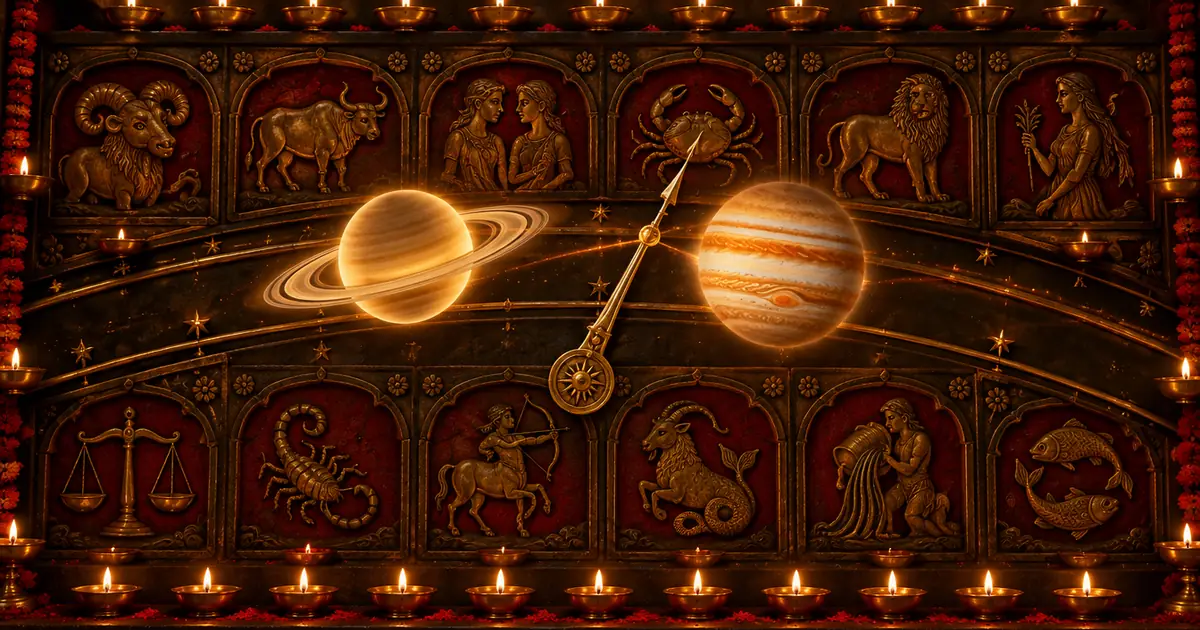
The Saturn transit 2027 date in Central Time: Saturn enters sidereal Aries on 2 June 2027. Plus Jupiter's sign changes and a calm note for each rising sign.
Read article →
Antardasha and Pratyantardasha: The Sub-Periods Inside Your Dasha
Vimshottari dasha explained from the inside: how each mahadasha splits into antardashas and pratyantardashas, and how to read a printed dasha table.
Read article →
The Three Phases of Sade Sati: Rising, Peak and Setting
Sade Sati explained phase by phase: what tradition links to Saturn's rising, peak and setting years around your Moon sign, and how to stay steady, not afraid.
Read article →Quick answers
Does Sade Sati affect everyone in the family at once?
Sade Sati does not affect everyone in the family at once. It is read from each person's own Moon sign, so relatives who share a sign are still read separately.
Read answer →Why does my dasha differ between two kundli apps?
Your dasha can differ between two kundli apps because of ayanamsa settings, birth-time rounding and time-zone entry. How a Fort Worth astrologer checks it.
Read answer →Talk to Astrologer and Psychic Vijayram
Tell us what you are facing. If a reading is unlikely to help, you will be told that plainly.